How to Prepare for Your First Mediation Session
October 10, 2025 · By Mark Parham, MS, Certified Mediator
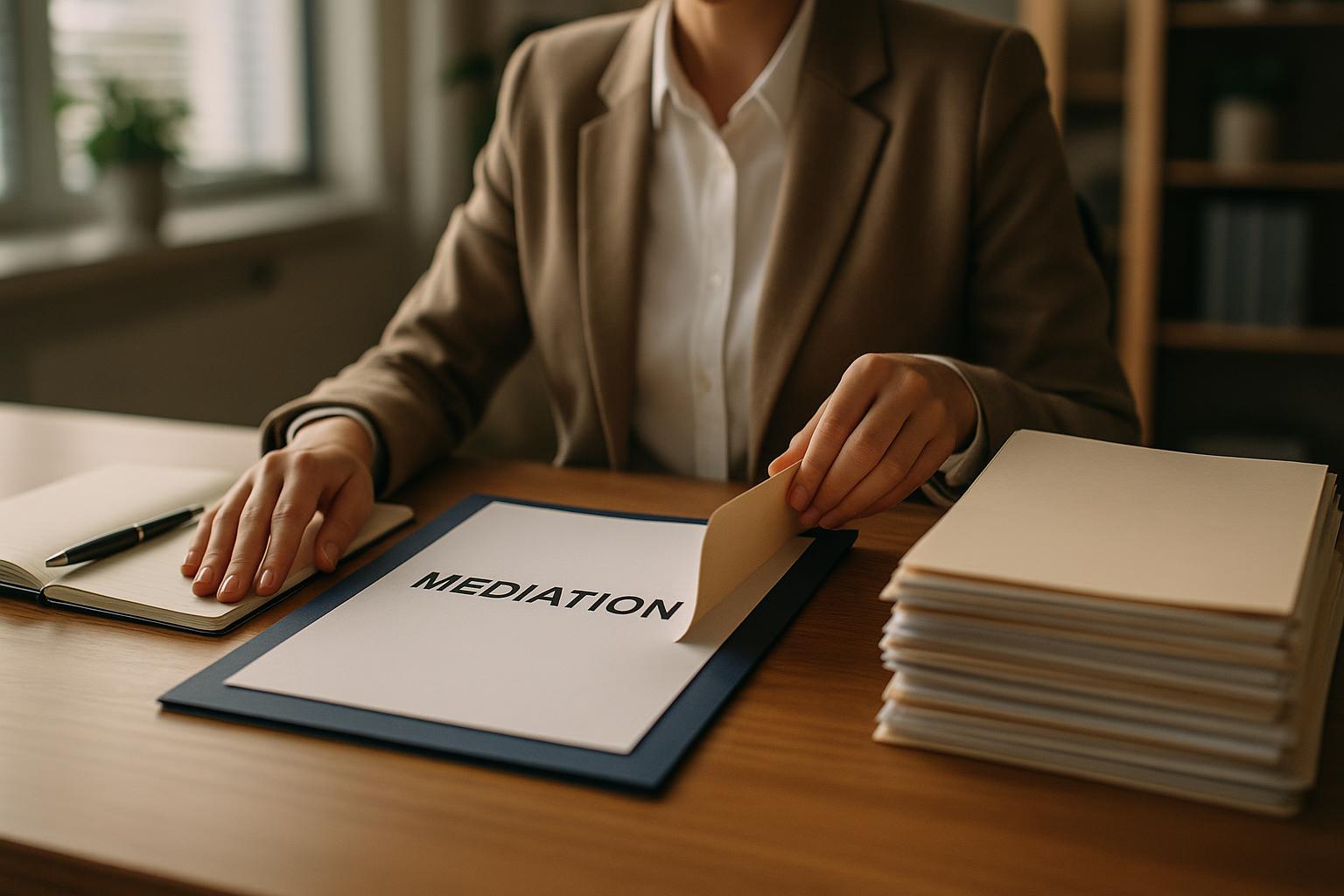
Walking into your first mediation session can feel daunting, especially when you are navigating one of the most significant transitions of your life. The good news is that preparation makes an enormous difference. When both parties arrive informed and organized, sessions are more productive, agreements come together faster, and the overall experience is far less stressful.
This guide covers everything you need to know to make your first mediation session as effective as possible.
Gather Your Financial Documents
One of the most important things you can do before your first session is compile a clear picture of your financial situation. Mediation requires full disclosure from both parties, and having your documents organized in advance saves time and prevents delays. You should aim to bring or have ready access to the following:
- Recent pay stubs and proof of income for both spouses
- Federal and state tax returns for the past two to three years
- Bank and investment account statements
- Mortgage statements and property deeds
- Vehicle titles and loan balances
- Retirement account statements (401k, IRA, pension)
- Credit card and loan statements showing current balances
- Life insurance policies with cash value
You do not need to have every document perfectly organized on day one, but the more information you can bring, the more productive your session will be.
Clarify Your Priorities
Before you sit down with the mediator, take time to reflect on what matters most to you. This is not about building a case against your spouse — it is about understanding your own needs and goals so you can communicate them clearly.
Ask yourself: What outcomes are most important to me? What am I willing to be flexible about? What are my non-negotiables? If children are involved, think carefully about what parenting arrangement would genuinely serve their best interests, not just your preferences.
Writing down your priorities before the session can help you stay focused and prevent you from being caught off guard in the moment.
Understand the Issues to Be Resolved
Divorce mediation typically addresses several key areas. Familiarizing yourself with these topics in advance will help you engage more confidently in discussions:
- Child custody and visitation: Legal custody (decision-making) and physical custody (where children live)
- Child support: Calculated based on California guidelines, income, and time-sharing arrangements
- Spousal support (alimony): Whether it applies, the amount, and the duration
- Property division: California is a community property state, meaning most assets and debts acquired during marriage are divided equally
- Debt allocation: Who is responsible for which debts after separation
Manage Your Emotional State
It is entirely normal to feel anxious, angry, or sad going into mediation. These emotions are a natural response to a difficult situation. However, allowing strong emotions to dominate the session can make productive conversation difficult.
In the days leading up to your session, consider practicing mindfulness, speaking with a therapist or counselor, or simply taking time to rest and care for yourself. Arriving at the session as calm and centered as possible will serve you far better than arriving primed for conflict.
Remember: the mediator is there to help both of you, not to take sides. The goal is to reach agreements that work for your family — and that requires both parties to engage constructively.
Consider Consulting an Attorney Beforehand
Mediation does not replace legal advice, and you are always free to consult with an independent attorney before, during, or after the process. An attorney can help you understand your legal rights under California law, review any proposed agreements, and ensure you are making informed decisions.
Some people choose to consult an attorney before their first session simply to understand the legal landscape. Others wait until a draft agreement is ready for review. Either approach is valid — the important thing is that you feel informed and supported throughout the process.
Know What to Expect on the Day
Your first mediation session will typically last two to three hours. Both parties and the mediator will be present. The mediator will begin by explaining the process, establishing ground rules for respectful communication, and identifying the issues that need to be resolved.
You will not be expected to reach a final agreement in the first session. The initial meeting is primarily about gathering information, identifying priorities, and beginning to build a framework for resolution. Most couples complete the full mediation process in three to six sessions.
Come prepared, come with an open mind, and trust the process. Thousands of California families have used mediation to navigate divorce with far less conflict and cost than traditional litigation — and yours can too.